
The Architecture of Success: Live Video Streaming Software Development for Auto Auctions
July 8, 2026 - 9:29:15 am
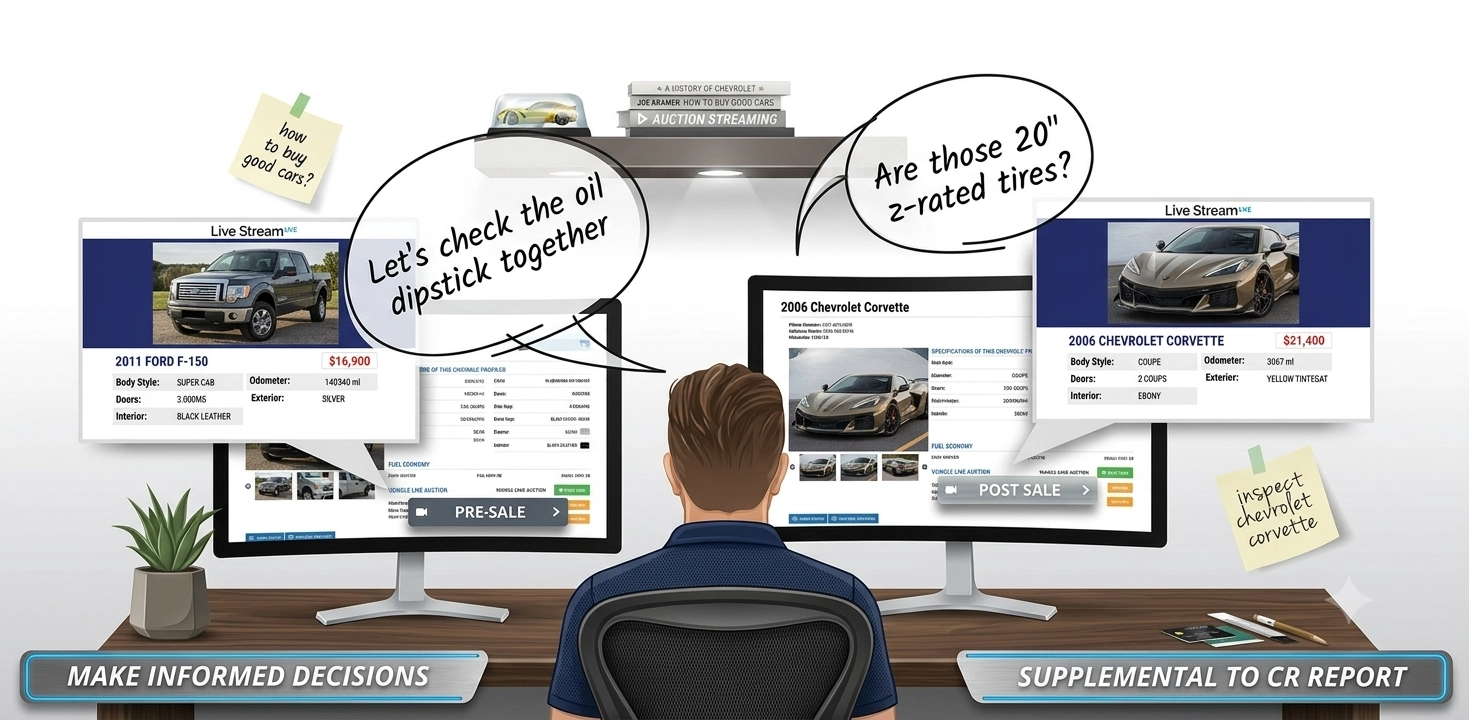
In the high-stakes environment of a modern simulcast auto auction, a two-second video delay is not just a minor technical glitch. It is a catastrophic failure that results in missed proxy bids, floor disputes, and the immediate loss of remote dealer trust. When independent auto auctions attempt to broadcast their lanes using off-the-shelf, third-party video tools, they inevitably encounter pixelated feeds and disastrous latency issues.
Traditional web streaming protocols were designed for passive consumption, not split-second financial transactions. To bridge the gap between physical lane attendees and remote buyers, operators must deploy a highly specialized, synchronized technology stack. True live video streaming software development for the wholesale automotive industry requires a sophisticated architecture that merges high-definition video with instant vehicle condition data.
Understanding the engineering complexities behind an enterprise-grade broadcast is the first step toward modernizing your lanes. Here is exactly what it takes to build and integrate an elite auto auction streaming platform that drives maximum lane velocity.
The Technical Backbone of Live Video Streaming Software Development: Ultra-Low Latency and WebRTC
The most critical engineering challenge in auction broadcasting is achieving true sub-second latency. If a remote digital bidder does not see the ringman drop his hand at the exact same millisecond as the floor attendees, the integrity of the entire sale is compromised. Legacy streaming protocols like HTTP Live Streaming (HLS) or RTMP often suffer from 5 to 15 seconds of built-in latency, rendering them completely useless for live auctions.
To achieve an ultra-low latency simulcast, modern live video streaming software development must transition away from HTTP-based delivery and embrace WebRTC (Web Real-Time Communication). WebRTC establishes a peer-to-peer connection that bypasses standard buffering mechanisms, delivering crystal-clear video with less than 500 milliseconds of delay.
However, deploying WebRTC at scale requires a robust infrastructure of specialized media servers. These servers must dynamically transcode video bitrates on the fly to handle massive concurrent traffic spikes without dropping frames.
Architectural Requirements for Flawless Streaming:
- WebRTC Protocol Integration: Ensures sub-second video and audio delivery across all modern browsers without requiring third-party plugins.
- Adaptive Bitrate Streaming (ABR): Automatically detects a remote dealer's fluctuating internet connection and adjusts the video resolution in real-time to prevent buffering.
- Scalable Forwarding Units (SFUs): Media server architecture that routes high-definition video packets efficiently, allowing thousands of simultaneous online buyers to watch a single lane without server crashes.
- Multi-Zone Edge Routing: Distributes the video feed through geographically optimized cloud servers, guaranteeing a buyer in California receives the same instantaneous feed as a buyer in New York.
Synchronizing Live Video with Real-Time Condition Data Capture
In the wholesale remarketing sector, streaming software must do much more than simply broadcast a moving image. It must be highly intelligent and contextually aware of the exact vehicle rolling across the block. Your real-time bidding software must seamlessly map underlying vehicle condition data directly into the live stream interface.
Remote buyers should never have to open a second tab or switch screens to check condition notes while watching the auctioneer. High-end live video streaming software development solves this by injecting dynamic Head-Up Displays (HUDs) directly over the video player. As a car enters the lane, the system's backend APIs must instantly fetch and display the vehicle's exact specifications on the viewer's screen.
This localized data presentation allows remote bidders to make split-second, high-dollar decisions with absolute confidence.
Key Data Synchronization Features:
- Dynamic HUD Overlays: Instantly displays real-time current bids, asking prices, and localized bidding increments on top of the live video feed.
- Automated Light Indicators: Prominently displays the auction light system (Green, Red, Yellow, Blue) on the digital player, legally binding the terms of the sale.
- Instant VIR Integration: Provides a frictionless, one-click link on the video player that opens the digital Vehicle Inspection Report (VIR) in a picture-in-picture mode.
- Live Title & Disclosure Alerts: Flashes urgent mechanical or title disclosures across the video feed right before the hammer falls, ensuring total transparency.
Weaponizing Video Streams for Preventing Auction Arbitration
One of the most significant operational financial drains for any independent auto auction is post-sale arbitration. When a remote buyer claims "the engine was ticking" or "the frame damage was not disclosed by the auctioneer," the resulting dispute costs you buyer premiums, seller fees, and expensive transport logistics. Advanced live streaming software acts as your ultimate legal and operational defense mechanism.
By investing in purpose-built live video streaming software development, auctions can weaponize their digital feeds to permanently eliminate subjective disputes. The streaming architecture must feature automated, cloud-backed high-definition recording of every single run down the lane. This goes far beyond standard security footage; it is a synchronized financial ledger.
The backend database automatically creates a permanent, timestamped archive that links the exact audio and video feed to the auction block log at the precise moment of the hammer fall.
How Streaming Tech Defeats Unfair Claims:
- Indisputable Audio Proof: High-fidelity microphone arrays capture the auctioneer's exact chant and disclosures, permanently silencing claims of "I didn't hear the announcement."
- Timestamped Block Logs: The software inextricably links the video recording to the digital block ticket, proving exactly what data was displayed on the buyer's screen when they clicked "Bid."
- Visual Evidence of Condition: High-definition lane cameras document the exact physical state of the vehicle as it crossed the block, completely preventing auction arbitration related to transport damage.
Mobile Optimization for Lane Inspectors and On-The-Go Dealers
An enterprise-grade broadcasting ecosystem must not be tethered to hardwired desktop computers in your control room. Modern automotive professionals are constantly on the move, requiring your streaming architecture to be inherently mobile-first. The underlying software development must support dynamic multi-camera switching and seamless mobile broadcasting directly from iOS and Android devices.
This mobile optimization empowers your yard inspectors to stream live, high-definition walkarounds directly from the staging lot. Utilizing WebRTC auction streaming on a ruggedized tablet, inspectors can add real-time video clips of engine startups or interior electronics testing directly to condition reports prior to the main event.
Furthermore, the mobile streaming architecture ensures that dealers managing their own retail lots can watch the simulcast and place proxy bids from their smartphones. If the mobile video feed stutters or drains the user's battery, you lose that buyer entirely. Optimized mobile encoding ensures your high-definition feed consumes minimal bandwidth while maintaining flawless sub-second latency.
Elevate Your Lanes with Enterprise-Grade Streaming
Attempting to stitch together generic video conferencing tools and legacy clerking software will always result in broken streams, frustrated buyers, and lost revenue. True operational success in the modern remarketing industry requires a purpose-built, auto-auction-specific broadcasting ecosystem.
Fortunately, independent auction operators do not need to hire expensive engineering teams or navigate the brutal complexities of custom live video streaming software development from scratch. You can instantly deploy a proven, battle-tested architecture designed specifically for the unique demands of the auction block.
Are you ready to deliver a flawless, zero-latency digital bidding experience?
Skip the complex development headaches and partner with the industry leaders in remarketing technology. Book a live technical demo and see exactly how our ultra-low latency simulcast platform can synchronize your data, eliminate arbitration, and maximize your lane velocity.