
How to Use CRM to Improve Auto Auction Operations
December 22, 2025 - 9:58:32 am
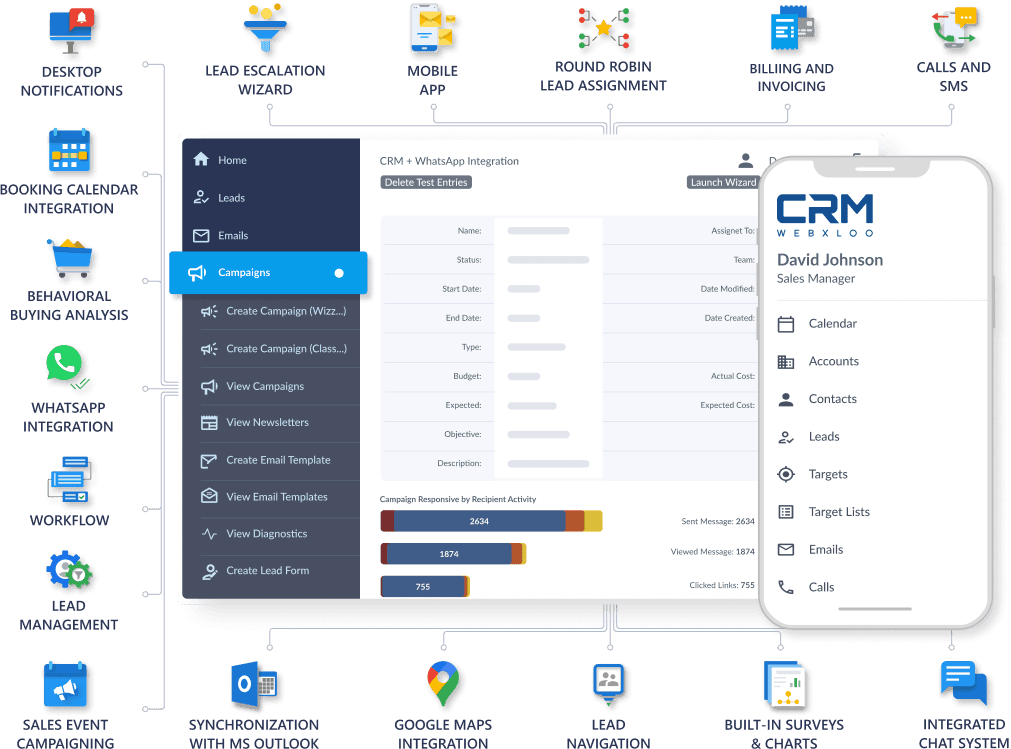
The auto auction industry is often viewed as a business of cars. We talk about inventory, run lists, frame damage, and market values. But at its core, an auction is a business of people. It is about the dealer who needs to fill a specific spot on their lot, the consignor who needs to liquidate a fleet, and the relationships that keep them coming back to your lane week after week.
Managing these relationships used to be done with handshakes, memory, and perhaps a stack of business cards rubber-banded together. In the modern, high-speed digital auction world, that is no longer enough. To compete today, auction houses need a digital memory. This is where CRM (Customer Relationship Management) software comes into play.
If you are still using spreadsheets or sticky notes to track your buyers and sellers, you are likely leaving money on the table. Here is how implementing a robust crm strategy can transform your auction operations from a chaotic scramble into a well-oiled machine.
Moving Beyond the "Rolodex"
Many people misunderstand what a CRM actually is. They think it is just an address book—a place to store names, phone numbers, and email addresses. While it does store that data, a modern system does much more. It acts as the central nervous system for your entire operation.
In an auction context, a CRM records the history of every interaction. It knows that "Dealer A" prefers SUVs and hasn't logged in for three weeks. It knows that "Consignor B" was unhappy with the fees on their last sale. It turns raw data into actionable intelligence. When used correctly, it bridges the gap between your marketing team, your sales staff, and your customer service representatives.
Streamlining Lead Tracking
The first major operational improvement comes in how you handle new business. Every day, potential new dealers visit your website. They might fill out a registration form, download a run list, or just browse the inventory. Without a system in place, these potential buyers often disappear into the void.
With a dedicated crm, every one of these actions creates a "lead." The software automatically captures their information and creates a profile. Instead of a sticky note on a receptionist's desk that says "Call John about registration," the system assigns a task to your onboarding team.
It creates a structured pipeline. You can see exactly where every potential customer is in the process. Have they submitted their dealer license? Have they been approved? Have they made their first deposit? The system ensures that no potential bidder is forgotten. If a dealer starts the registration process but stops halfway through, the software can alert your team to call them and offer help. This proactive approach drastically increases the number of approved bidders in your lanes.
Elevating Customer Service
Imagine a scenario where a dealer calls your front desk. In a traditional setup, the receptionist has to ask for their name, their account number, and what they are calling about. They might have to put the dealer on hold to run to the arbitration department or check with accounting. It is slow, and it feels impersonal.
Now, imagine that same scenario with a modern crm integrated into your phone system. When the dealer calls, their profile instantly pops up on the employee's screen.
Before answering the phone, your staff can see the dealer’s entire history. They can see that this dealer bought three cars yesterday and has an open arbitration case on one of them. Instead of asking "How can I help you?", your staff can answer by saying, "Hello, are you calling about the arbitration on the Ford F-150?"
This level of service is powerful. It makes the customer feel valued and understood. It resolves issues faster because your staff has all the information right in front of them. In a competitive market, this "white glove" service is often the reason a dealer chooses your auction over a competitor.
Turbocharging the Sales Process
The auction business moves fast. The window to sell a car is often just a few minutes long. However, a lot of business happens after the car crosses the block, especially with "If-Bids" (where the high bid didn't quite meet the reserve price).
This is where a crm becomes a vital sales tool. Without a system, managing If-Bids is chaotic. Sales reps are scrambling to call sellers and buyers, writing numbers on scraps of paper. With a CRM, this process can be automated and tracked. The system can prioritize which calls to make first based on how close the bid was to the reserve.
Furthermore, the software can help you sell cars that didn't receive any bids at all. By analyzing the buying habits of your dealer base, the tool can identify specific buyers who have purchased similar cars in the past. Your sales team can then filter this list and make targeted calls: "Hey, I saw you bought a few Toyota Camrys last month. We had two run through the lane today that didn't sell; would you like to make an offer?" This turns your sales team from order-takers into proactive deal-makers.
The Advantage of Industry-Specific Tools
While there are many generic management platforms out there, auto auctions have unique needs. A generic system doesn't know what a VIN is, it doesn't understand "Simulcast," and it doesn't know how to handle arbitration workflows.
This is why utilizing a CRM provided by Auction Streaming is critical. When the software is built specifically for the auction ecosystem, the integration is seamless. The data flows naturally from your auction management system directly into client profiles without manual entry.
The Bottom Line
Implementing a crm is not just about installing new software; it is about changing the culture of your operations. It moves your auction away from reactive chaos and toward proactive growth. It ensures that every lead is chased, every customer is recognized, and every opportunity to sell a car is captured. In today's digital auction environment, it is the engine that drives success.
To get more insights visit our Blog page!