
Choosing the Best Auto Auction Tool: 5 Essential Features
December 30, 2025 - 9:38:25 am
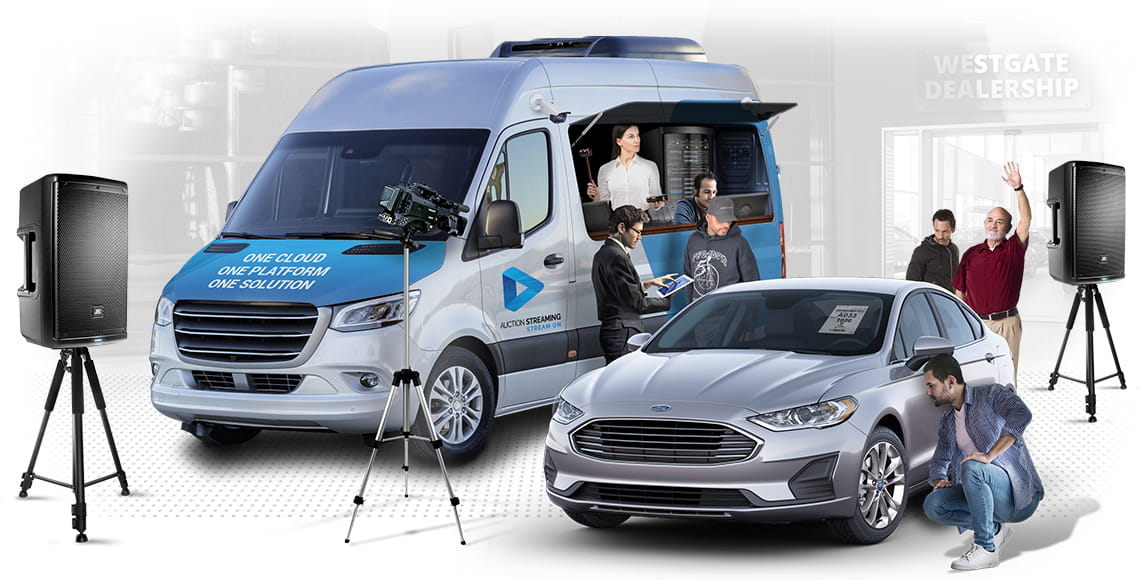
Running an auto auction is like conducting a complex orchestra. You have hundreds of vehicles arriving, inspectors checking conditions, sellers setting reserve prices, and buyers logging in from all over the world. If one section falls out of rhythm, the whole performance suffers.
In the past, auctioneers managed this chaos with whiteboards, clipboards, and loud voices. Today, the conductor’s baton has been replaced by software. The specific software you choose—your primary auction tool—will determine whether your business scales up smoothly or gets stuck in a bottleneck of administrative tasks.
With so many options available in the digital marketplace, finding the perfect fit can be overwhelming. You might be asking: "Do I need a simple listing site, or do I need a full enterprise system?" This guide will help you navigate the noise and identify the essential features your business needs to thrive.
The Foundation: Scheduling and Logistics
The first thing to look for in a robust auction tool is how it handles time. Scheduling a sale involves more than just picking a date. You have to assign lane numbers, determine run orders, and ensure that vehicles are physically ready to cross the block. If you are still using a physical calendar or a basic spreadsheet to track this, you are limiting your growth.
The right software should act as a dynamic planner. It should allow you to drag and drop vehicles into specific lanes and run numbers. It needs to automatically detect conflicts—for example, if a car is scheduled for a sale but hasn't cleared the mechanic shop yet, the system should flag it. Look for tools that offer a "visual" lane manager, giving you a bird's-eye view of your upcoming sales weeks in advance. This digital foresight prevents the last-minute scramble that plagues so many auction yards.
Mastering Inventory: The Lot Management System
Inventory is the lifeblood of your auction. Managing it effectively is non-negotiable. When evaluating an auction tool, pay close attention to how it handles vehicle entry. Speed and accuracy are critical here. You want a system that integrates with VIN decoding services. Your staff should be able to scan a barcode and have the year, make, model, and engine specifications populate automatically. Manual entry is slow and prone to human error—typing "2019" instead of "2018" can cause major legal headaches later.
Beyond the basics, the tool must handle media efficiently. In the online era, photos and condition reports sell cars. The software should make it easy to upload high-resolution images and link them directly to the lot number. If the process of getting a photo from the camera to the website takes more than a few clicks, the tool is too clunky for a modern volume auction.
The Heartbeat: Bidding and Transaction Speed
This is where the money is made. The bidding interface is the most visible part of your auction tool, and it needs to be flawless. For the auctioneer, the screen must be simple. They need to see the current high bid, the reserve price, and the bidder's location in a split second. For the buyer, the experience must be instant. We live in an age of "Simulcast" where online bidders compete against people standing in the lane.
When choosing a platform, ask about "latency." This is the delay between a user clicking "Bid" and the system registering it. A good tool minimizes this to almost zero. If there is a lag, you will lose bids, and you will lose the trust of your buyers. The system must also be stable enough to handle hundreds of concurrent connections without crashing. A system that works fine with 50 cars but freezes with 500 cars is not a solution; it is a liability.
The Aftermath: Reporting and Analytics
The sale doesn't end when the hammer falls. The administrative work that follows—invoicing, title transfers, and payouts—can be a nightmare if done manually. A powerful auction tool automates the back office. It should generate invoices instantly and email them to winning bidders. It should track which titles are present and which are still in transit.
More importantly, it should provide deep insights into your performance. You need reporting tools that tell you the truth about your business. What was your conversion rate today? Which consignor had the highest no-sale rate? Which day of the week generates the most online traffic? Generic software won't give you these answers. You need a system designed specifically for the automotive industry that understands metrics like "sell-through percentage" and "average hammer price."
Why Integration Matters
Finally, remember that no software exists in a vacuum. Your auction tool needs to play nice with others. It should connect seamlessly with your website, your mobile apps, and your accounting software.
This is why many forward-thinking auctions partner with Auction Streaming. Instead of cobbling together five different programs that don't talk to each other, they use a unified ecosystem. When the inventory management system talks directly to the bidding platform, and the bidding platform talks directly to the reporting dashboard, your operation runs efficiently.
The Verdict
Choosing the right technology is one of the most important business decisions you will make. Don't just look for the cheapest option or the one with the flashiest graphics. Look for a comprehensive auction tool that solves the real-world problems of logistics, speed, and data.
The right tool disappears into the background. It works so well that you stop thinking about the software and start focusing on what really matters: building relationships and selling cars.
To get more insights visit our Blog page!