
Electronic Vehicle Inspection Reports: Why They Matter
January 19, 2026 - 9:03:42 am
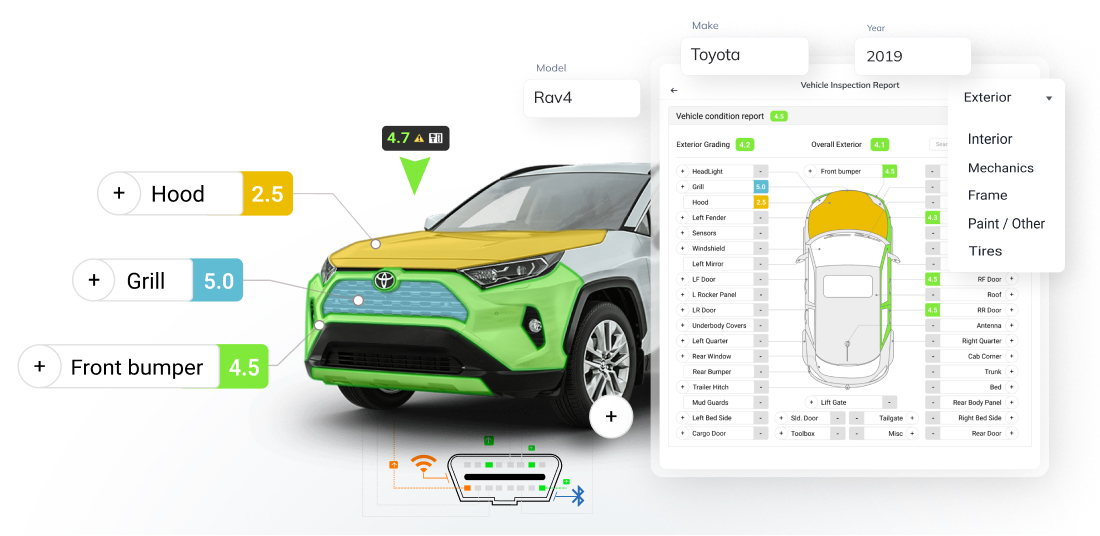
If you walked into a car auction twenty years ago, you would see inspectors walking the rows with clipboards, pens, and stacks of carbon-copy paper. They would scribble notes about scratches and dents, often in handwriting that was hard to read. These papers would get stained with grease, lost in filing cabinets, or delayed on a desk waiting to be typed into a computer.
That old way of doing business is disappearing.
Today, the clipboard has been replaced by the tablet. The pen has been replaced by the touchscreen. We have entered the era of the electronic vehicle inspection report. But this shift is not just about saving paper or looking modern. It is about fundamentally changing the speed and trust of the automotive industry.
If you are an auction owner or a dealer, you might be wondering if switching to a fully digital inspection process is worth the investment. This guide explains why digital reports are the new standard and how they improve accuracy, speed, and record-keeping in ways that paper never could.
The Problem with the "Old Way"
To understand why the electronic version is better, we have to look at the flaws of the traditional method. Paper reports rely heavily on the individual inspector's memory and handwriting. Imagine an inspector looks at a 2018 sedan. He writes down "scratch on door." But which door? How deep is the scratch? Is it a paint chip or a gouge? Later, when an office administrator tries to type this into the system, they might misread the note or skip it entirely. This leads to inaccurate listings. When a buyer purchases that car online and discovers the damage is worse than described, they file an arbitration claim. This costs the auction money and damages its reputation.
Improving Accuracy with Digital Tools
An electronic vehicle inspection report eliminates the guesswork. When an inspector uses a digital device, the software guides them through a standardized process. Instead of writing vague notes, the inspector selects from pre-set options. They can mark the exact location of damage on a digital diagram of the car. If they mark "dent," the system can prompt them to take a photo of that specific dent immediately.
Furthermore, these tools use VIN scanning technology. Instead of manually typing in a 17-digit code (and risking a typo), the inspector scans the barcode on the door jamb. The system instantly pulls the correct year, make, model, and factory equipment. This ensures that the car is listed correctly every single time. There is no risk of listing a "V6" engine when it is actually a "V4" because the data comes directly from the source.
Speed: From the Yard to the Screen in Seconds
In the auction business, time is the most valuable asset. Every hour a car sits unlisted is an hour it isn't attracting bids. With paper reports, there is a massive bottleneck. The inspector finishes the car, walks back to the office, drops off the paperwork, and then waits for data entry staff to type it all in and upload photos from a memory card. This process can take hours or even days.
With an electronic vehicle inspection report, the workflow is instant. As soon as the inspector clicks "Submit" on their tablet, the report is live. The photos, the condition grade, and the mechanical notes are instantly synced to the cloud. The car can appear on your website and on simulcast screens before the inspector has even walked to the next vehicle. This real-time speed allows auctions to process higher volumes of inventory with fewer staff members.
The Ultimate Record-Keeping System
One of the biggest headaches for any auction is handling disputes. A buyer might come back three weeks after a sale and claim, "This navigation screen was broken when I bought it!" If you are relying on paper files, finding the proof is a nightmare. You have to dig through boxes of archived reports to find the original checklist.
Digital reports solve this instantly. Every report is stored securely in the cloud forever. You can search by VIN or date and pull up the exact report in seconds. You can see the timestamp of when the inspection was done, who did it, and the photo evidence that proves the navigation screen was working on the day of sale. This "digital paper trail" is your best defense against unfair claims. It protects the auction and provides total transparency to the buyer.
Why Integration Matters
Of course, a digital report is only useful if it connects to the rest of your business. This is where choosing the right partner is critical. Companies that utilize the ecosystem provided by Auction Streaming enjoy a seamless experience. Because the inspection software is native to the auction platform, the data flows perfectly. You don't need third-party apps to move photos around. The moment the electronic report is finished, it triggers the next step in the workflow—whether that is ordering a detail job, scheduling a mechanic, or assigning the car a lane number for the next sale.
The Future Is Digital
The transition to the electronic vehicle inspection report is not a trend; it is the new baseline for doing business. It builds trust with buyers who are purchasing from hundreds of miles away. It empowers sellers by getting their inventory in front of eyes faster. And for the auction house, it reduces errors, saves labor costs, and creates a bulletproof system of records. In a world where cars are bought and sold with the click of a button, your inspection process needs to move at the same speed.
To get more insights visit our Blog page!