
Advanced Analytic Tools Auto Auctions Should Be Using
December 19, 2025 - 9:05:51 am
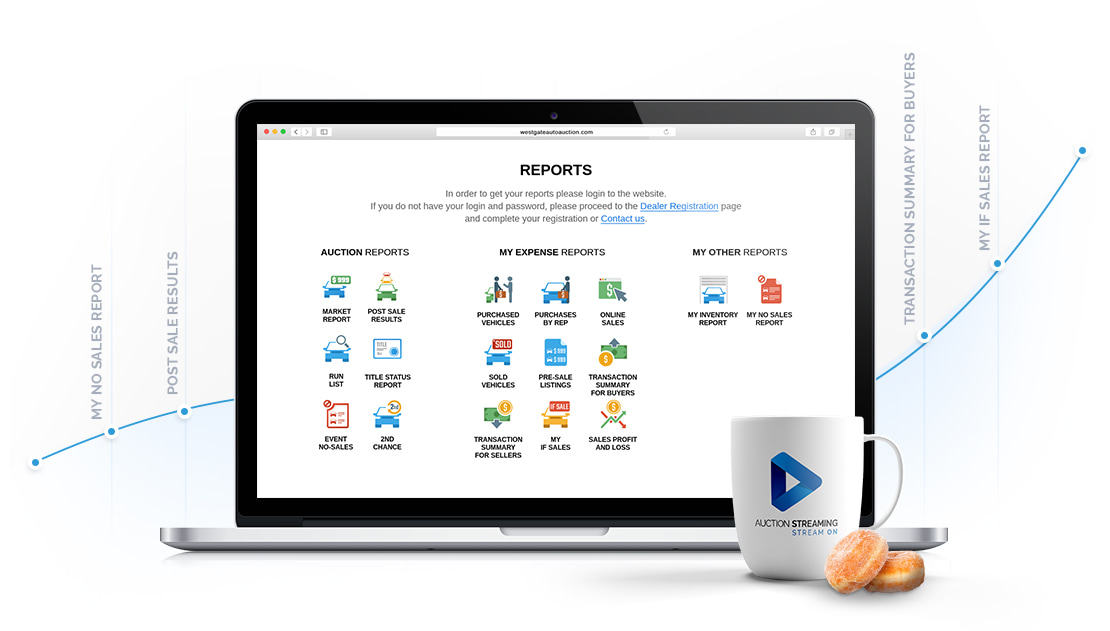
For generations, the car auction business ran on instinct. A seasoned auctioneer could look at a 2015 sedan, glance at the crowd, and know exactly what it would sell for within a hundred dollars. They knew which dealers were hungry for trucks and which ones were overstocked. This "gut feeling" was the most valuable asset in the lane.
But today, the auction lane is digital, global, and incredibly fast. Instinct is no longer enough.
With thousands of cars moving through online lanes every week and bidders logging in from different time zones, the volume of data is overwhelming for a human brain to process alone. This is where advanced analytic tools come into play. These are not just basic spreadsheets or sales reports. We are talking about Artificial Intelligence (AI) and machine learning systems that can predict the future of your sales.
If you are running an auto auction today, relying on yesterday’s sales numbers is like driving using only the rearview mirror. You need to look forward. Here is a guide to the specific analytic tools that are transforming modern auctions from simple marketplaces into data-driven powerhouses.
1. AI-Driven Pricing Intelligence
The most difficult decision for any consignor or auction manager is setting the starting bid and the reserve price. Set it too high, and the car sits unsold, collecting dust and fees. Set it too low, and you leave money on the table.
In the past, we relied on guidebooks. But printed books—and even monthly digital reports—are often weeks behind the actual market. Advanced analytic tools use AI to analyze real-time market data. These systems don't just look at the year, make, and model. They dig deeper. They analyze specific factors like the vehicle's color, exact trim level, mileage, current location, and even the local weather or economic conditions.
For example, an AI tool might notice that while the national price for a convertible is dropping, demand in your specific region is spiking because of an early spring. The software suggests a higher reserve price than the book value, and it sells. This level of precision maximizes the return on every single asset crossing the block.
2. Demand Forecasting and Inventory Optimization
Imagine if you knew exactly what your buyers wanted before they even logged in. That is the promise of demand forecasting. Standard analytics tell you what you sold last month. Advanced predictive analytics tell you what you should stock next month. By analyzing search trends, watchlist activity, and unsold inventory rates, these tools can identify gaps in your supply.
If the system sees that 500 users searched for "diesel work trucks" last week but you only had two in inventory, it flags a massive missed opportunity. This allows your sales team to reach out to consignors and specifically ask for the inventory that is guaranteed to sell. This shifts your business model from "selling what you have" to "supplying what is demanded," which drastically improves your sell-through rates and keeps your yard moving.
3. Bidder Behavior Analysis
Your bidders are your business. But do you really know them? Most auctions categorize buyers simply as "active" or "inactive." Advanced analytic tools go much further. They build a complex profile for every single user. This is often called "churn prediction."
The software tracks subtle changes in behavior. Perhaps a loyal dealer who usually bids on ten cars a week has only bid on two this week. Or perhaps they have stopped logging in on Fridays. These are early warning signs that the bidder is disengaging, perhaps moving to a competitor.
The system alerts your team before the customer is lost. It allows you to send a personalized offer or a simple check-in call. Furthermore, these tools can analyze a bidder's losing history. If a dealer keeps losing bids on SUVs by just a few hundred dollars, the system can automatically notify them when a similar SUV comes up with a slightly lower starting price. It turns a frustrated loser into a winning buyer.
4. Real-Time Performance Monitoring
During a live auction, chaos is common. But advanced analytics provide a "control tower" view of the action. Instead of waiting for the sale to end to see how it went, modern dashboards provided by platforms like Auction Streaming show you the health of the auction in real-time. You can see how many active bidders are online, the average time it takes to sell a car, and the gap between the floor price and the high bid.
If the analytics show that engagement is dropping halfway through the sale, a manager can make a live decision to slow down the pace, change the auctioneer, or offer a promotion to wake up the room. This ability to pivot in the moment is what separates high-performing auctions from the rest.
The Competitive Edge
The auto auction industry is becoming more crowded and more competitive. The auctions that will survive and grow are not necessarily the ones with the biggest lots or the loudest auctioneers. They are the ones who understand their data.
Implementing advanced analytic tools is not about replacing your staff with robots. It is about giving your team super-powers. It allows them to price cars with confidence, source the right inventory, and keep their buyers happy and loyal. In the digital age, data is the new fuel, and these tools are the engine that will drive your auction forward.
To get more insights visit our Blog page!